
Fast Delivery
Competitive Price
Sales Available Nationwide
Rentals Available in Arizona
Fast Delivery
Competitive Price
Sales Available Nationwide
Rentals Available in Arizona
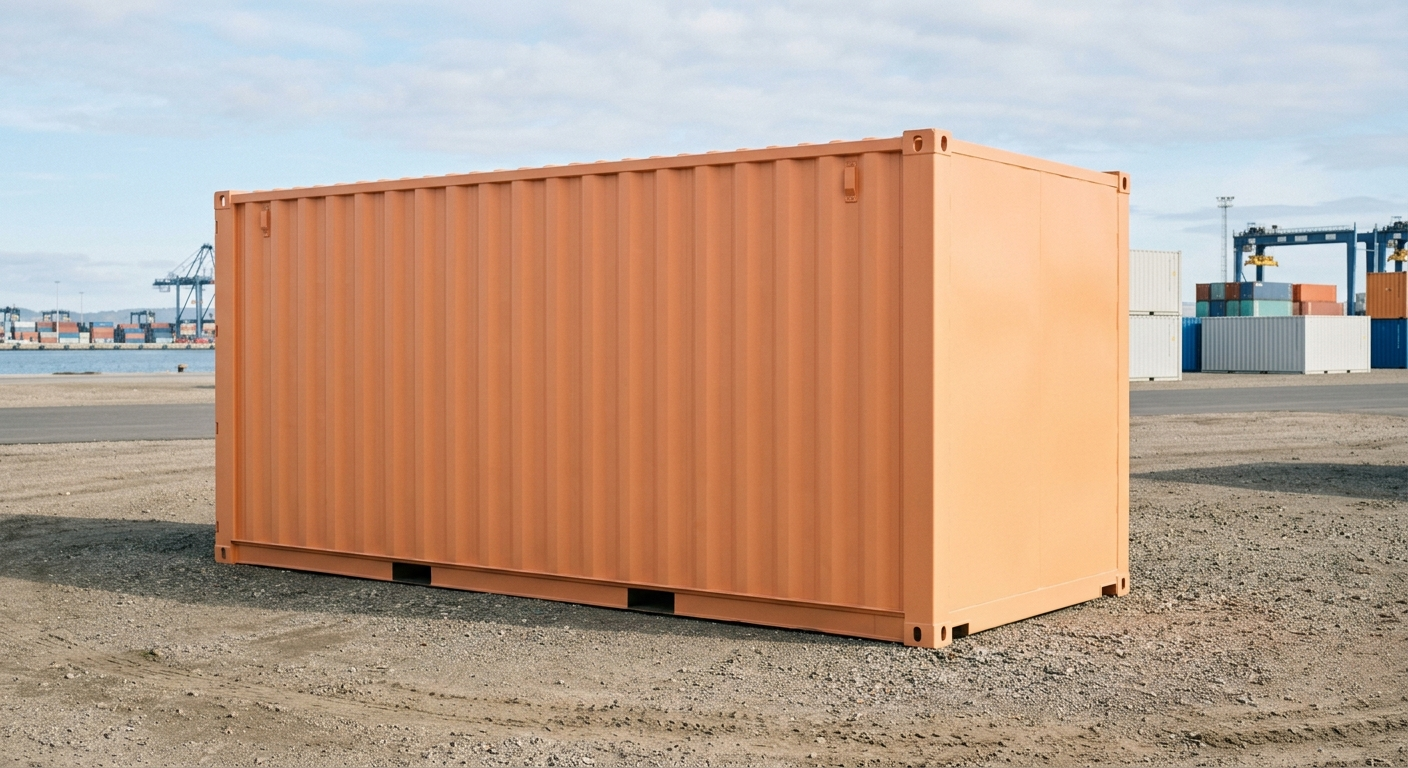
20 Foot Shipping Container for Sale in Northern California
GET YOUR FREE QUOTE
* Indicates a required field
Storage becomes a problem when people cannot find what they need or space fills with materials. A 20 Foot Shipping Container creates one place for tools, stock, records, and project materials.
Xpress Shipping Containers helps Northern California buyers explore suppliers and standard or modified units. A search begins with how materials move, not a long feature list.
Plan Around Storage Cycles
Stored items follow different cycles. Some leave within days, while others remain for a season. Sorting by time helps determine access, organization, and open floor space.
Use three simple groups:
- Fast-moving items: tools, orders, safety supplies, and weekly parts
- Project-stage items: fixtures, materials, records, or equipment needed temporarily
- Long-hold items: archives, seasonal stock, and replacement components
Fast-moving goods need access. Project-stage items should stay together. Long-hold materials can use less convenient areas when labeled. This prevents frequently used supplies from becoming trapped.
Northern California Is a Collection of Different Sites
The region includes Bay Area properties, Sacramento businesses, Central Valley farms, North Coast communities, and rural parcels. One unit can support each setting, but its setup may differ.
A commercial lot may prioritize clearance. Farms need equipment space. Contractors want tool access, while retailers may focus on stock rotation.
Standards vary by zoning, parcel size, visibility, duration, use, utilities, and structural changes. Sacramento and Shasta counties publish different requirements. Check the authority responsible for the address before permanent work begins.
Give Every Square Foot a Job
Capacity changes after shelves, equipment, and an aisle are added. Mark the largest item, then place storage around it.
Useful planning questions include:
- Which item is hardest to move?
- What must remain reachable without rearranging other goods?
- Which materials should remain separated?
- Could the storage mix change next year?
Leave turning room near the entrance. Shelves should not block door hardware. Vertical storage suits cartons and parts, while open areas suit machinery, furniture, or irregular materials. Removable systems adapt as inventory changes.
Match Condition to the Assignment
A one-trip Shipping Container generally has less wear and a cleaner interior. It may suit visible properties, merchandise, documents, or interior finishing.
A used unit may show dents, faded paint, or repairs. Cosmetic wear can suit tools, equipment, and general storage when the structure, doors, seals, and floor remain suitable. Ask what the grade includes and whether photographs show the unit.
Review:
- Cargo doors, hinges, handles, locking rods, and seals
- Roofline, walls, corner posts, and flooring
- Soft areas, stains, odors, openings, or repairs
- Written condition details
Choose the condition level that supports the contents, setting, and expected use.
Treat Modifications as a Floor Plan
Modifications should solve repeated tasks. Walk-in doors support entry, roll-up doors open selected sections, shelving organizes goods, and partitions divide materials.
Other possible features include:
- Interior lighting and electrical outlets
- Windows and ventilation
- Insulation and finished wall surfaces
- Lock boxes and upgraded locking hardware
- Exterior paint or business branding
Review features together. Entrances change shelf placement, partitions affect circulation, finished walls reduce space, and exterior openings require clearance. Request an updated layout before work begins.
Check the Property From the Container’s Point of View
Mark the footprint and look outward. Cargo doors need room to swing, and equipment needs a route to the work area. Fences, utilities, parking, drainage, overhead obstructions, and emergency access influence placement.
Even support points help the frame stay aligned and doors operate correctly. Keep the area clear for access and inspection. Consider planned property changes.
Physical space does not confirm approval. Verify zoning, placement, screening, foundation, electrical, fire, and occupancy requirements locally.
Write a Useful Supplier Enquiry
A clear enquiry should describe contents, access, condition, modifications, property limits, and schedule. Separate essential features from preferences.
Include:
- Intended storage or workspace use
- One-trip or used condition preference
- Shelving, partitions, lighting, or other modifications
- Site dimensions and nearby obstacles
- Any approval requirements already identified
Photographs and a sketch explain the setting quickly. Xpress Shipping Containers lets buyers browse supplier listings, contact businesses, or submit a project enquiry. Compare responses against the same written brief.
Choose for the Next Operating Year
Consider how inventory, projects, or equipment may change next year. Open floor area, adjustable shelves, and labels make reorganization easier.
Keep the entrance clear. Inspect doors, seals, locks, roof, and floor during routine maintenance. Update records when contents move. These habits keep the Shipping Container useful.
Find a Northern California 20 Foot Container That Fits the Way You Work.
FAQs
Is a 20 foot container suitable for a smaller property?
Should I choose shelving or keep the interior open?
Can businesses store inventory in a shipping container?
Are placement requirements the same throughout Northern California?
What should photographs of a used container show?
Share the intended use, preferred condition, required access, planned modifications, property constraints, and schedule. A site sketch and clear inventory list can help the supplier identify units and layouts that fit your project more closely.