
Fast Delivery
Competitive Price
Sales Available Nationwide
Rentals Available in Arizona
Fast Delivery
Competitive Price
Sales Available Nationwide
Rentals Available in Arizona
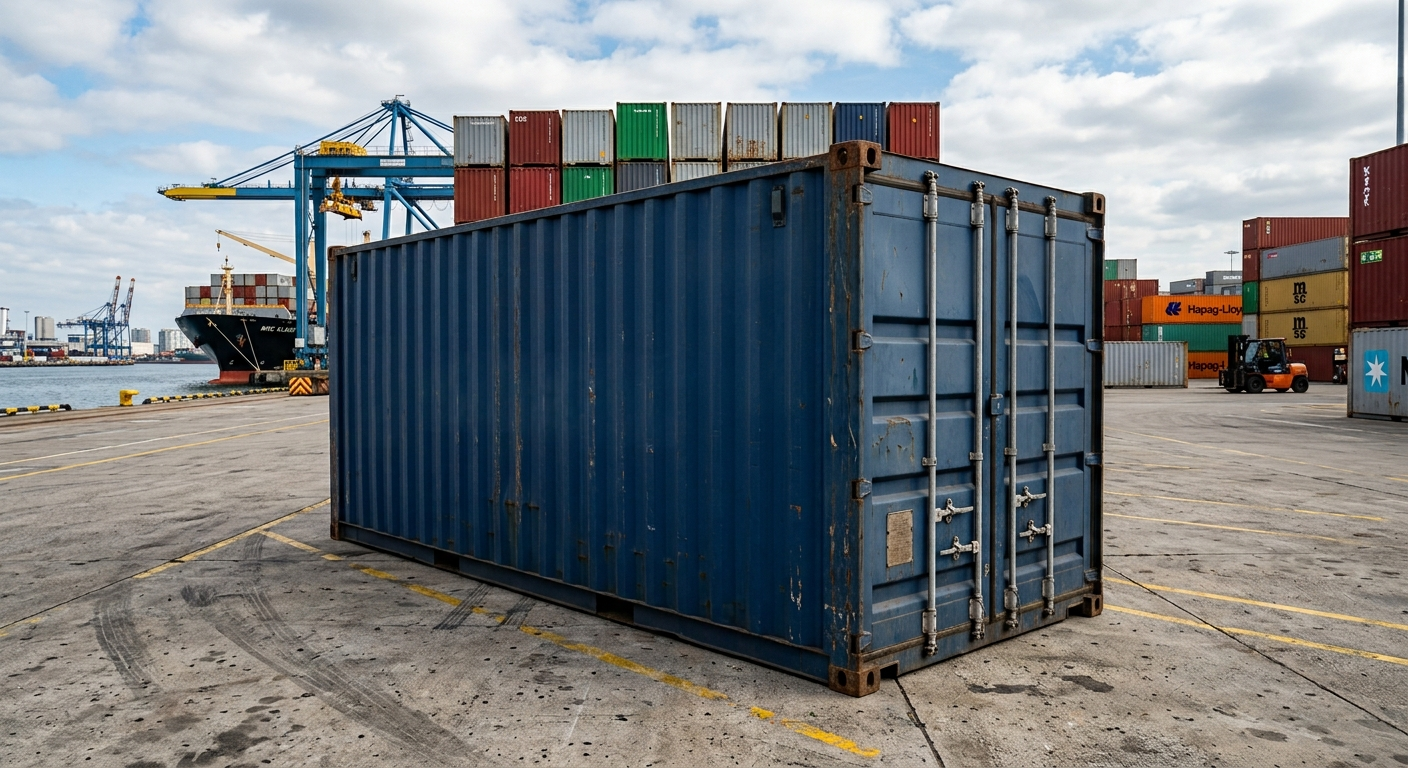
20 Foot Shipping Container for Sale
GET YOUR FREE QUOTE
* Indicates a required field
Find new, used, and specialty 20 foot shipping containers for sale from suppliers across the United States. Xpress Shipping Containers helps homeowners, contractors, businesses, farms, schools, government organizations, and other buyers discover container sellers by product type and location.
Browse available listings, compare container conditions and features, review supplier information, and send enquiries directly through the platform. If you are unsure which listing fits your project, submit a detailed request so relevant suppliers can respond with suitable options.
Why Is a 20 Foot Shipping Container Such a Popular Choice?
Find new, used, and specialty 20 foot shipping containers for sale from suppliers across the United States. Xpress Shipping Containers helps homeowners, contractors, businesses, farms, schools, government organizations, and other buyers discover container sellers by product type and location.
Browse available listings, compare container conditions and features, review supplier information, and send enquiries directly through the platform. If you are unsure which listing fits your project, submit a detailed request so relevant suppliers can respond with suitable options.
Why Is a 20 Foot Shipping Container Such a Popular Choice?
A 20 foot shipping container offers a practical balance between usable space and a manageable footprint. It is large enough to hold tools, equipment, inventory, furniture, building materials, and other substantial items, yet compact enough for many residential, commercial, agricultural, and jobsite locations.
This size is widely used in freight and storage applications, which means buyers can often find several conditions and configurations. Depending on local inventory, listings may include new one-trip containers, used cargo-worthy units, wind-and-water-tight storage containers, refurbished containers, and modified models.
Buyers often choose a 20 ft shipping container because it provides:
- A useful amount of enclosed storage space
- Standard cargo doors for loading larger items
- A smaller site footprint than a 40 foot container
- Flexible placement for many homes, businesses, farms, and jobsites
- Options for shelving, lighting, ventilation, insulation, and other modifications
- New and used choices for different needs and budgets
- A structure that can serve as storage or become the base for a custom conversion
If a 10-foot shipping container feels too limited and a 40-foot shipping container is larger than the project requires, a 20-foot container is often the most suitable middle option.
What Are the Typical Dimensions of a 20 Foot Shipping Container?
A standard 20 foot dry shipping container is generally 20 feet long, 8 feet wide, and 8 feet 6 inches high on the exterior. Interior measurements are slightly smaller because of the frame, wall construction, doors, and flooring.
Typical measurements are listed below. Exact specifications can vary by manufacturer, production year, configuration, and previous repairs, so buyers should confirm the details of a specific unit with the supplier.
| Specification | Typical Measurement |
| Exterior length | 20 ft |
| Exterior width | 8 ft |
| Exterior height | 8 ft 6 in |
| Interior length | Approximately 19 ft 4 in |
| Interior width | Approximately 7 ft 8 in |
| Interior height | Approximately 7 ft 10 in |
These measurements make a standard 20 foot container useful for equipment storage, inventory overflow, renovation contents, construction materials, agricultural supplies, and many other applications. Buyers planning to store unusually wide, tall, or heavy items should measure the cargo, confirm floor capacity, and verify the door opening before purchasing.
Which Types of 20 Foot Shipping Containers Can Buyers Find?
The best configuration depends on what will be stored, how frequently the container will be accessed, and whether the unit will be modified. Availability varies by supplier and region, but buyers may encounter the following types.
Standard 20 Foot Dry Containers
This is the most common configuration. A standard unit has corrugated steel walls, a steel frame, a durable floor, vents, and locking cargo doors at one end. It works well for general storage, jobsite materials, business inventory, tools, furniture, and equipment.
20 Foot High Cube Containers
A high cube container provides additional interior height. Although 20 foot high cube units are less common than 40 foot high cubes, they can be useful when a project needs greater vertical clearance or more room for shelving, machinery, or a conversion.
20 Foot Side-Open Containers
Side-open containers provide broader access through doors along one side. They can simplify the loading of long, bulky, or frequently accessed items. A side-opening configuration may also support retail displays, workshops, events, or specialized business conversions.
20 Foot Containers With Cargo Doors at Both Ends
Some containers provide cargo-door access from both ends. This layout can reduce the need to unload items stored near the front to reach materials at the back. It may be useful for organized inventory, tool storage, and projects that require separate access points.
20 Foot Refrigerated Containers
Refrigerated containers, often called reefers, are designed for temperature-managed applications. Their condition, power requirements, operating range, and refrigeration equipment should be reviewed carefully with the supplier. Buyers should also confirm whether a listed unit is operational, insulated but non-operational, or intended only for static storage.
Modified 20 Foot Containers
A modified container may include roll-up doors, walk-in doors, windows, vents, electrical components, lighting, shelving, partition walls, insulation, or interior finishes. Some units are prepared as offices, workshops, guard stations, retail spaces, equipment rooms, or other purpose-built structures.
Should You Buy a New or Used 20 Foot Shipping Container?
Both new and used containers can offer good value. The right choice depends on appearance expectations, intended use, required condition, and budget.
New or One-Trip Containers
A one-trip container has usually carried a single cargo load from its manufacturing region before entering the resale market. It may have minor handling marks, but it generally offers a cleaner appearance, newer door seals, limited floor wear, and a longer remaining service life than an older unit.
A one-trip 20 foot shipping container may be the better fit for:
- Customer-facing business locations
- Office or retail conversions
- Long-term ownership
- Projects where appearance is important
- Buyers who want minimal previous use
Used Containers
A used 20 foot shipping container may have dents, surface corrosion, faded paint, shipping labels, patches, or floor wear. Those cosmetic signs do not automatically make a container unsuitable for storage. The more important questions concern structural condition, door operation, seals, roof integrity, flooring, and the grade represented by the seller.
A used container can be a sensible option for:
- Construction and contractor storage
- Farm tools and supplies
- Industrial equipment
- Business inventory
- Renovation contents
- Projects in which cosmetic appearance is secondary
When comparing a used 20 foot shipping container for sale, ask whether the photos show the exact unit or a representative example. Also request a clear explanation of the condition grade and any known repairs.
Can a 20 Foot Shipping Container Be Customized?
Yes. A standard container can serve as the starting point for many storage, work, and commercial projects. Modification services vary by supplier, so request a detailed scope and specifications before ordering.
- Common options include:
- Roll-up doors
- Walk-in doors
- Windows
- Security lock boxes
- Shelving and storage racks
- Electrical outlets and lighting
- Ventilation
- Insulation
- Heating and cooling equipment
- Partition walls
- Interior wall and ceiling finishes
- Workbenches and counters
- Exterior paint and branding
- Flooring upgrades
Modification planning should begin with the intended use. For example, a basic tool-storage unit may need shelving, lighting, and a lock box, while an occupied office can require insulation, electrical work, ventilation, emergency access, and code-compliant construction.
Find the Right 20 Foot Shipping Container for Your Project
Whether you need storage for a construction site, business inventory, household items, farm supplies, equipment, or a custom conversion, a 20 foot container offers a versatile combination of space and practicality.
Explore available 20 foot shipping containers for sale, compare supplier listings, and ask detailed questions about condition, specifications, modifications, and transport. Xpress Shipping Containers makes it easier to connect with companies that may have the right unit for your location and intended use.
Frequently Asked Questions About 20 Foot Shipping Containers
How much does a 20 foot shipping container cost?
The cost depends on the container’s condition, grade, configuration, location, availability, modifications, and transport requirements. Compare complete quotes and confirm what each supplier includes rather than evaluating only an advertised starting price.
What are the dimensions of a standard 20 foot shipping container?
A standard unit is typically 20 feet long, 8 feet wide, and 8 feet 6 inches high externally. The interior is approximately 19 feet 4 inches long, 7 feet 8 inches wide, and 7 feet 10 inches high. Measurements vary slightly, so confirm the specifications of the actual unit.
Is a used 20 foot shipping container suitable for storage?
Many used containers are well suited for stationary storage. Look for a unit with functioning doors, intact seals, a sound roof and frame, and flooring appropriate for the intended contents. Ask the seller to define the condition grade and provide current photographs.
What is the difference between cargo-worthy and wind-and-water-tight?
Cargo-worthy generally refers to a structurally suitable container that may qualify for freight use with the required current inspection and documentation. Wind-and-water-tight commonly describes a unit sold for stationary storage. Confirm the seller’s grading criteria and paperwork.
Can I find both new and used 20 foot shipping containers for sale?
Yes. Supplier listings may include one-trip, used, cargo-worthy, wind-and-water-tight, refurbished, and as-is containers. Availability depends on the seller and region.
Can a 20 foot container be turned into an office or workshop?
Yes. Depending on the project, modifications can include walk-in doors, windows, electrical service, lighting, ventilation, insulation, workbenches, shelving, and heating or cooling equipment. Occupied conversions should be planned around local codes and permits.