
Fast Delivery
Competitive Price
Sales Available Nationwide
Rentals Available in Arizona
Fast Delivery
Competitive Price
Sales Available Nationwide
Rentals Available in Arizona
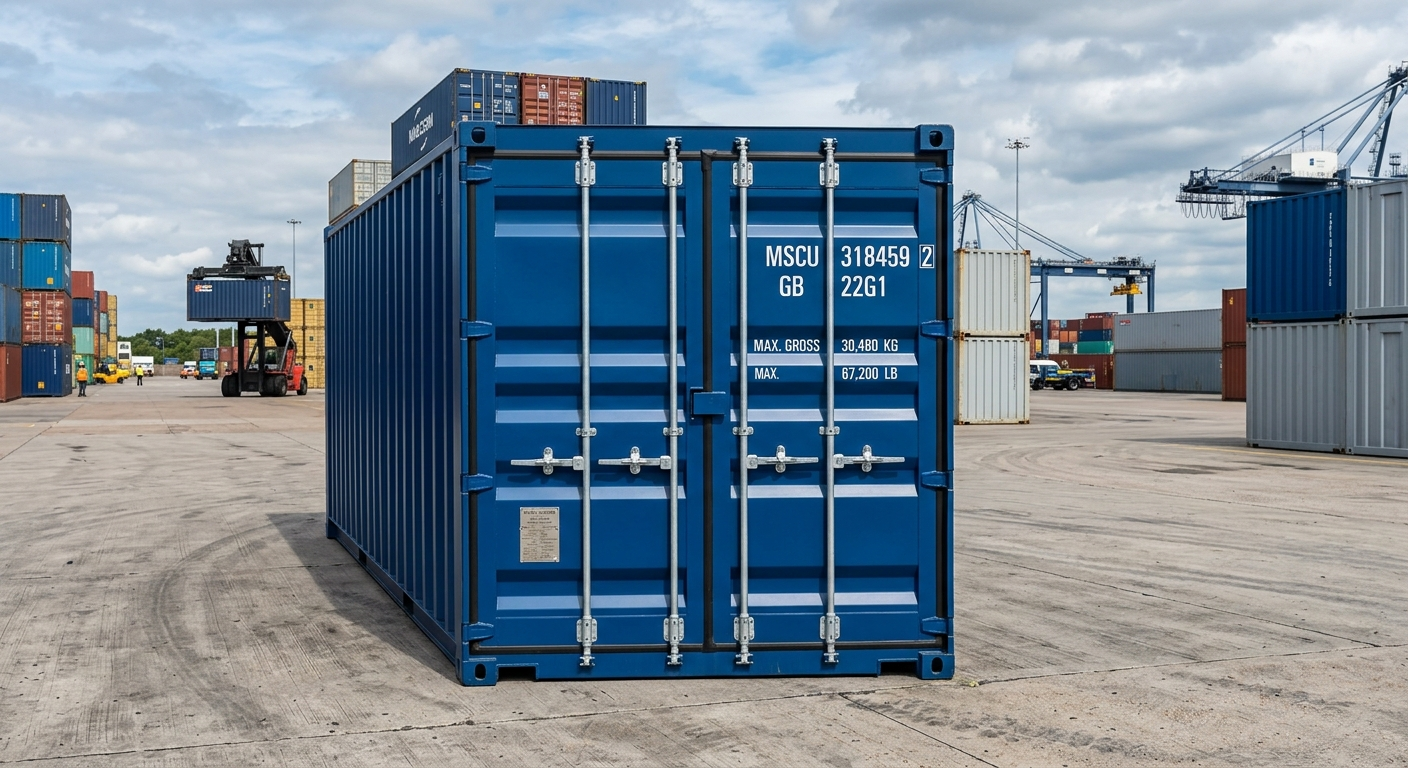
20 Foot Shipping Containers for Sale in San Francisco
GET YOUR FREE QUOTE
* Indicates a required field
Finding 20 Foot Shipping Containers for Sale in San Francisco begins with the site. A unit may suit the required storage volume but conflict with a narrow entrance, limited turning space, steep approach, overhead obstruction, or public right-of-way restriction. Work backward from the proposed location by measuring the placement area, tracing the access path, mapping daily retrieval, and checking local requirements.
What Is the Five-Gate Site-Fit Test?
The five-gate test reviews placement, access, workflow, configuration, and approval. If one gate fails, adjust the site plan or container requirements before choosing a unit.
Gate One: Does the Placement Area Work?
Measure more than the footprint. Account for cargo-door swing, walking clearance, maintenance access, utilities, drainage, buildings, fences, and overhead obstructions. A rectangle may technically hold a 20 foot unit while leaving too little room for safe use. Photograph the area and mark measurements on a basic site sketch. Also confirm that the chosen surface can support the loaded unit and remain accessible during changing weather conditions.
Gate Two: Can the Unit Reach the Proposed Area?
Trace the route from the street to the final location. Measure gates, driveways, alleys, turns, overhead clearance, and areas narrowed by parked vehicles or buildings. San Francisco properties vary, so share current photographs and accurate measurements with the supplier. When work would occupy a roadway or sidewalk, check whether Public Works authorization applies.
Gate Three: How Will Stored Items Move Each Day?
Follow one typical item from arrival to retrieval. Note where it enters, how frequently it moves, and what must be moved to reach it. This reveals whether the plan supports daily work or simply fills floor space.
Divide the inventory by movement frequency:
- Daily items near the routine entrance
- Weekly stock in the middle area
- Seasonal materials farther inside
- Bulky equipment along a measured path
- Controlled items in a cabinet or partition
Keep a usable aisle and do not block high-turn inventory. Adjustable shelving supports changing needs, while visible labels simplify counts and retrieval. The goal is to reduce handling, not maximize density.
Gate Four: Which Configuration Fits the Site?
Cargo doors provide a wide opening for equipment, pallets, and furniture but need outward swing space. A roll-up door opens vertically and may suit narrow areas or direct access to one inventory group. A walk-in door supports frequent foot traffic. If keeping the cargo doors and adding another entrance, align the opening with shelving, framing, exterior movement, security, and item dimensions. Lighting, ventilation, insulation, racks, partitions, or a lockbox should each solve a documented need.
Gate Five: Which San Francisco Approvals May Apply?
Approval needs depend on the address, placement, duration, structural changes, utilities, occupancy, and public-space use. San Francisco Department of Building Inspection handles building, electrical, plumbing, mechanical, and related permit services. Public Works manages temporary street occupancy and directs mobile storage container applicants to its Bureau of Street-Use and Mapping. Confirm the correct process before ordering modifications or arranging activity in the public right-of-way.
How Should Buyers Compare Container Condition?
Match condition to the contents and modifications. Cosmetic dents or fading may suit tools, while clean inventory or customer-visible placement may require different expectations. Ask about the roof, frame, cargo doors, seals, floor, odors, corrosion, and repairs. Planned openings should not conflict with damaged areas. Standard dry Shipping Containers do not regulate humidity, condensation, or temperature, so sensitive materials may require monitoring, ventilation, insulation, climate equipment, or raised storage.
What Should a San Francisco Buyer Include in an Enquiry?
A useful enquiry should describe the property and storage routine. Include:
- Location and property type
- Intended contents and largest item
- Placement-area measurements
- Route dimensions and turns
- Expected entry frequency
- Preferred door arrangement
- Required interior features
- Condition preference and planned modifications
- Known approval limitations
These details help independent suppliers respond with relevant options and make listings easier to compare.
How Does Xpress Shipping Containers Support the Search?
Xpress Shipping Containers connects buyers with independent suppliers through profiles, categories, and enquiries. Individual sellers determine inventory, condition terminology, warranties, modifications, service areas, and transaction terms. Confirm important details directly and keep condition descriptions, included features, and commitments in writing.