
Fast Delivery
Competitive Price
Sales Available Nationwide
Rentals Available in Arizona
Fast Delivery
Competitive Price
Sales Available Nationwide
Rentals Available in Arizona
40 Foot Cargo Door Shipping Containers Guide
GET YOUR FREE QUOTE
* Indicates a required field
40 Foot Cargo Door Shipping Containers
When a business needs substantial space for storing equipment, materials, inventory, or supplies, a 40 foot cargo door shipping container is one of the most practical options available. Its extended interior provides room for large items and high-volume storage while maintaining the familiar structure and secure access of a standard shipping container.
These containers feature traditional cargo doors at one end. The doors open outward to create a wide entry point, making it easier to load or remove bulky goods. Depending on the intended use, buyers may choose between standard-height and high-cube models, as well as new and used container conditions.
This guide explains the dimensions, features, applications, condition options, and key considerations associated with 40 foot cargo door shipping containers.
What Is a 40 Foot Cargo Door Shipping Container?
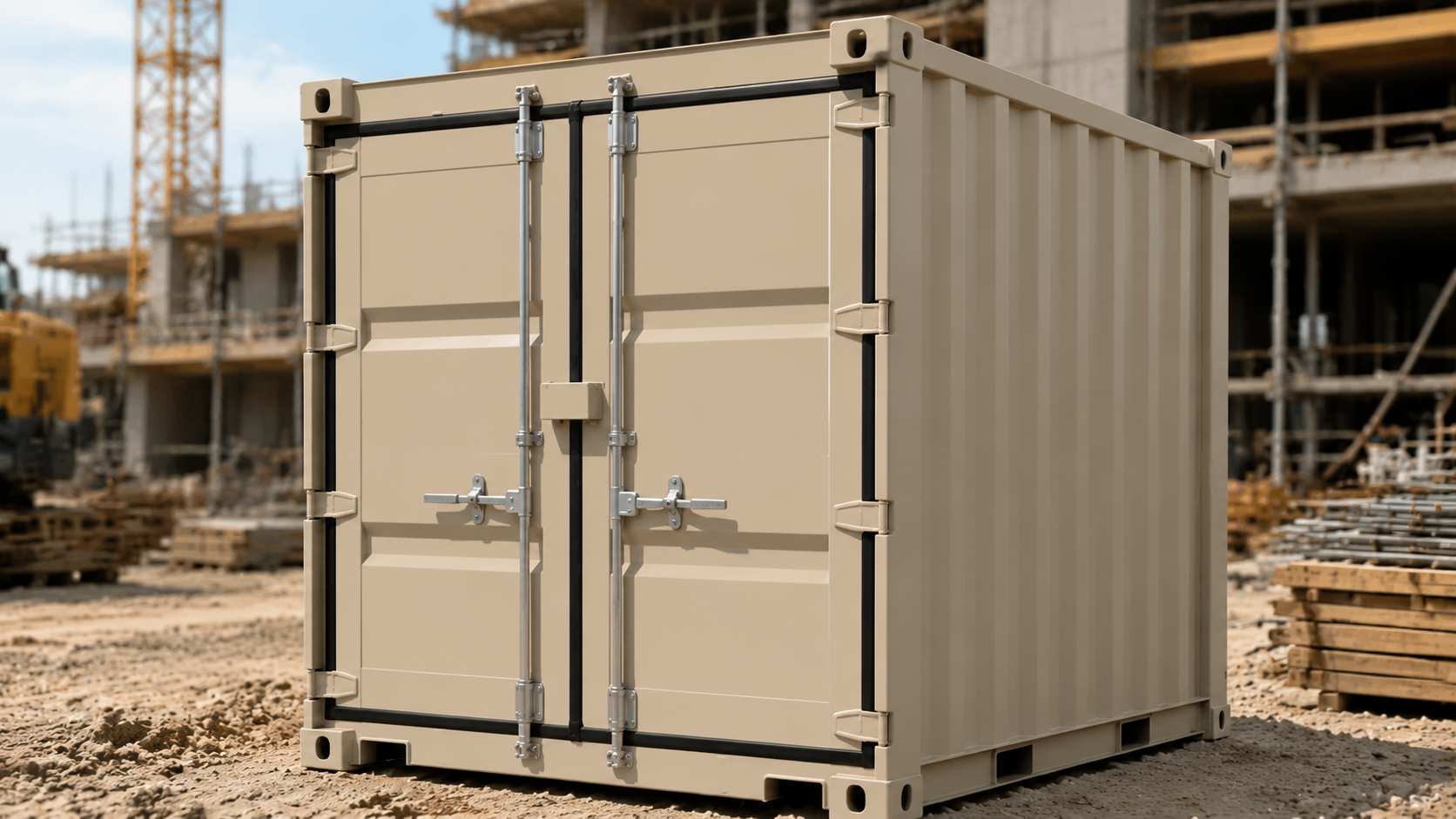
A 40 foot cargo door shipping container is a large steel container originally designed for transporting goods. It has outward-opening cargo doors positioned at one end and locking mechanisms that help secure the contents.
The long interior makes this container suitable for applications that require more capacity than a 10 foot or 20 foot model can provide. It can hold construction materials, commercial inventory, furniture, machinery, tools, packaged goods, records, and many other items.
Businesses and individuals also use these containers as the starting point for modified spaces, including workshops, offices, equipment rooms, and organized storage areas.
What Are the Typical Dimensions of a 40 Foot Container?
The dimensions of an individual container may vary slightly according to its manufacturer, age, and configuration. However, a standard 40 foot shipping container generally has the following approximate measurements:
- Exterior length: 40 feet
- Exterior width: 8 feet
- Exterior height: 8 feet 6 inches
- Interior length: approximately 39 feet 5 inches
- Interior width: approximately 7 feet 8 inches
- Interior height: approximately 7 feet 10 inches
A 40 foot high-cube container usually has an exterior height of 9 feet 6 inches. That additional foot of height creates more vertical clearance and interior capacity.
How Do Cargo Doors Work?
Cargo doors consist of two outward-opening steel door panels. Locking bars extend vertically across the doors and rotate to engage or release the locking mechanisms.
When both panels are open, the entrance provides almost the full interior width of the container. This makes cargo doors suitable for moving pallets, building materials, equipment, furniture, and other large items.
Before selecting a location, remember that the doors need adequate exterior clearance to open fully. The ground near the entrance should remain level and unobstructed so users can access the container comfortably.
What Can a 40 Foot Cargo Door Container Be Used For?
The large interior supports a wide range of commercial, industrial, agricultural, and personal applications.
Construction Storage
Construction companies can use these containers to organize tools, safety equipment, building materials, generators, and jobsite supplies. Shelving, racks, and partitions can help separate small tools from longer or heavier materials.
Commercial Inventory
Retailers, distributors, and manufacturers can store packaged goods, seasonal inventory, displays, parts, and supplies. The extended floor space allows products to be arranged by category or frequency of use.
Equipment Storage
A 40 foot container can accommodate landscaping tools, maintenance equipment, industrial components, and other business assets. Proper organization is essential because items stored near the rear may be difficult to reach if the central aisle becomes blocked.
Agricultural Applications
Farms, nurseries, and agricultural businesses may use containers for tools, irrigation components, feed supplies, packaging materials, and seasonal equipment. Stored contents should always be evaluated for their ventilation and temperature requirements.
Furniture and Records
The interior can hold office furniture, fixtures, boxed files, equipment, and other materials during a renovation or business transition. Moisture-sensitive items may require additional ventilation, insulation, or climate-management measures.
Should You Choose a New or Used Container?
Both new and used containers can be suitable, but they serve different priorities. A new or one-trip container has typically completed a limited number of cargo trips. It generally offers a cleaner appearance, fewer signs of wear, and newer door seals and flooring.
A used container may show dents, scratches, surface rust, markings, or previous repairs. Its condition should be evaluated based on function rather than appearance alone. A structurally sound used container can provide dependable storage even when it has visible cosmetic wear.
When comparing condition options, inspect:
- Cargo doors and locking bars
- Door gaskets and seals
- Roof, walls, and corner posts
- Flooring condition
- Signs of holes or active leaks
- Significant corrosion or previous repairs
- Overall structural alignment
- Interior odours or residue
The best option depends on the application, desired appearance, and acceptable level of previous use.
How Can the Interior Be Organized?
A long container can hold a considerable amount of material, but poor organization can limit its usefulness. A clear layout makes it easier to reach items safely and avoid unnecessary handling.
Useful interior additions may include:
- Wall-mounted shelving
- Freestanding industrial racks
- Labelled bins
- Tool boards
- Document cabinets
- Equipment tie-down points
- Interior lighting
- Partitions for separate storage zones
- A clear central walkway
Frequently used items should be kept near the cargo doors. Less frequently accessed materials can be placed farther inside. Avoid overloading shelves or blocking ventilation openings.
What Should Be Considered Before Selecting a Container?
Start by identifying exactly how the container will be used. The intended contents will influence the required height, condition, ventilation, access, and interior organization.
Consider the following questions:
- Do you need standard or high-cube height?
- Will the container hold bulky or moisture-sensitive items?
- How frequently will stored materials be accessed?
- Is access from one end sufficient?
- Does the site have enough room for a 40 foot model?
- Will shelving, electricity, insulation, or ventilation be required?
- Is appearance important at the intended location?
- Are there local placement or permit requirements
Answering these questions makes it easier to select a container that supports both immediate and long-term needs.
Why Choose a 40 Foot Cargo Door Shipping Container?
A 40 foot cargo door shipping container combines substantial capacity with a straightforward access system. It can support inventory storage, equipment organization, construction operations, agricultural needs, and many other applications.
Its value depends on selecting the right height, condition, and configuration. Accurate measurements, careful site preparation, and a practical interior layout help ensure that the container remains accessible and useful.
For organizations that need extensive enclosed space in a single unit, a 40 foot cargo door container is a versatile option that can be used in its original form or modified for a more specialized purpose.
Frequently Asked Questions
How much can fit inside a 40 foot cargo door container?
A 40 foot container offers approximately 2,350 cubic feet of interior capacity, depending on its exact specifications. Actual usable space depends on the dimensions, shape, weight, arrangement, and access requirements of the stored items.
What is the difference between cargo doors and a walk-in door?
Cargo doors create a wide opening for loading bulky goods, pallets, furniture, or equipment. A walk-in door provides quicker everyday entry for individuals but does not offer the same opening width for moving large items.
Is a 40 foot high-cube container better than a standard container?
A high-cube model is useful when additional vertical clearance is needed for tall equipment, stacked inventory, shelving, or conversions. A standard container may be adequate when height is not important or site clearance is limited.
Can shelving be installed inside a 40 foot container?
Yes. Freestanding or securely mounted shelving can improve organization and preserve a central walkway. The shelving design should consider load limits, wall structure, container movement, moisture exposure, and the weight of stored materials.
Do 40 foot containers require ventilation?
Ventilation needs depend on the contents, climate, and frequency of access. Additional vents may help manage condensation and airflow, while sensitive materials could require insulation, dehumidification, or a properly designed climate-control system.
Custom Built
You can customize your container to fit your exact needs.
Fast Delivery
We work fast to customize your container and deliver it to your job site.
Shipping Containers
Sales available nationwide