
Fast Delivery
Competitive Price
Sales Available Nationwide
Rentals Available in Arizona
Fast Delivery
Competitive Price
Sales Available Nationwide
Rentals Available in Arizona
20 Foot Shipping Container for Sale in Fontana
GET YOUR FREE QUOTE
* Indicates a required field
Storage Should Keep Up With the Way Your Business Works
Finding a 20 Foot Shipping Container for Sale in Fontana begins with a real workflow. The unit may hold warehouse overflow, contractor tools, maintenance parts, event materials, or seasonal inventory.
Fontana supports warehousing, distribution, transportation, manufacturing, service businesses, and construction. These operations store different items and need different access. Xpress Shipping Containers offers standard units and customization possibilities that can be matched to a defined storage or workspace purpose.
Why Does the 20 Foot Size Work for Fontana Sites?
A 20 foot container offers useful capacity without taking up a 40 foot footprint. It can fit warehouse yards, commercial properties, construction projects, and repair facilities where ground space matters.
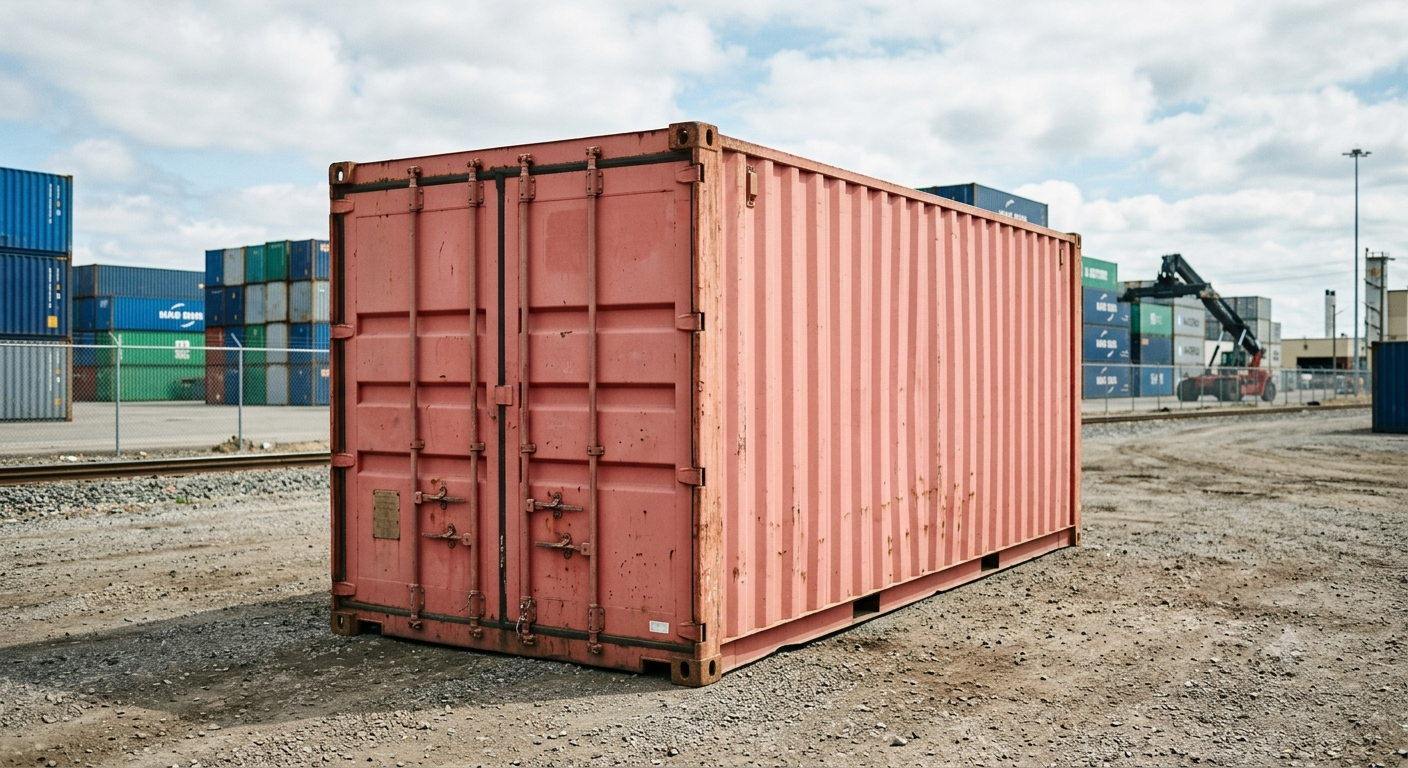
Standard exterior dimensions are approximately 20 feet long, 8 feet wide, and 8 feet 6 inches high. Verify the actual interior and door measurements before planning shelves or equipment. A center aisle, side shelving, and an open area near the cargo doors can simplify access.
What Job Should Your Container Perform?
Describe the container’s job in plain language. That answer helps identify the appropriate condition, access style, and features.
- Hold Warehouse Overflow: Separate boxed inventory, packaging, promotional materials, and fixtures from active stock. Labels and shelf zones keep overflow searchable.
- Organize Tools and Equipment: Contractors, maintenance teams, landscapers, and repair businesses can assign clear locations to tools, parts, safety gear, and equipment.
- Support a Temporary Project: During renovations, facility upgrades, or events, a container can keep project materials together and away from active work areas.
- Create a Specialized Space: A professionally planned container can become an office, workshop, or organized storage room. Define the use before selecting doors, windows, insulation, electrical components, or partitions.
Should You Select a One-Trip or Used Container?
A one-trip container has usually completed one cargo journey and often shows fewer signs of use. Small dents, scuffs, or handling marks may remain.
A used unit may have faded paint, surface corrosion, patches, dents, or repairs while still serving general storage. Seller grades differ, so ask what the label covers. Focus on the structure, floor, doors, seals, and intended contents. Consider an independent inspection for specialized use or valuable inventory.
How Should You Choose the Access Style?
Cargo doors suit pallets, equipment, and bulky items. A walk-in door can simplify frequent entry, while a roll-up door adds access at a selected side or end. Shelving, lockboxes, vents, windows, lighting, and partitions may improve everyday use.
Map how people and materials will move before choosing modifications. New openings need proper reinforcement, and electrical work should be completed by qualified professionals under applicable rules.
What Should Be Checked Before Purchase?
Inspect the roof line, panels, end frames, corner posts, and visible underside. Operate the cargo doors, locking rods, handles, and hinges. Inside, examine the ceiling, walls, floor, seams, and corners for openings, damage, odors, residue, corrosion, or repairs.
Confirm the identification plate, measurements, empty weight, and available condition records. Match inspection standards to the contents, especially documents, customer inventory, or a finished workspace.
Which Items Need Special Storage Planning?
A general container suits many dry, nonperishable materials. Food, medicines, electronics, plants, artwork, and sensitive goods may need insulation, refrigeration, or humidity management.
Fuels, hazardous chemicals, compressed gases, batteries, and regulated materials can involve restrictions. Confirm product guidance and local rules. A locked enclosure is not automatically an approved storage environment.
How Should You Plan the Fontana Site?
Mark the footprint before selecting the unit. Choose a firm, level area and leave room for the cargo-door swing, staff access, and inspection.
Check property lines, setbacks, easements, utilities, obstacles, gates, drainage, and fire routes. Fontana Development Services handles planning, building, engineering, fire, and code matters. Ask which reviews apply to the placement, use, and modifications before site work.
Create a scaled sketch showing the container, door swing, nearby traffic lanes, work areas, and emergency access. This makes it easier to spot conflicts before the chosen unit becomes part of the property during daily business operations.
Build the Purchase Around Day-to-Day Use
Start with details rather than a generic request. Explain the contents, largest item, access frequency, preferred condition, site space, and planned features. This information makes practical comparisons easier.
Xpress Shipping Containers offers standard and custom-built configurations for commercial storage, projects, and workspace needs. Sales are available nationwide.
Contact Xpress Shipping Containers about a 20 Foot Shipping Container for Sale in Fontana. Bring measurements, a storage list, access priorities, and modification ideas to start with the way your operation works.
FAQs
Is a 20 foot container suitable for warehouse overflow?
What condition should I expect from a used container?
A used container may have faded paint, dents, surface corrosion, patches, or previous repairs. Inspect the structure, roof, floor, cargo doors, seals, interior, and identification details to determine whether it suits your intended use.
Can Xpress customize a 20 foot shipping container?
Does Fontana require a permit for a shipping container?
What information should I provide when requesting a container?
Share the intended contents, largest item dimensions, access frequency, preferred condition, site measurements, and planned features. These details help identify a container whose door style, interior layout, and condition match your daily operation.