
Fast Delivery
Competitive Price
Sales Available Nationwide
Rentals Available in Arizona
Fast Delivery
Competitive Price
Sales Available Nationwide
Rentals Available in Arizona
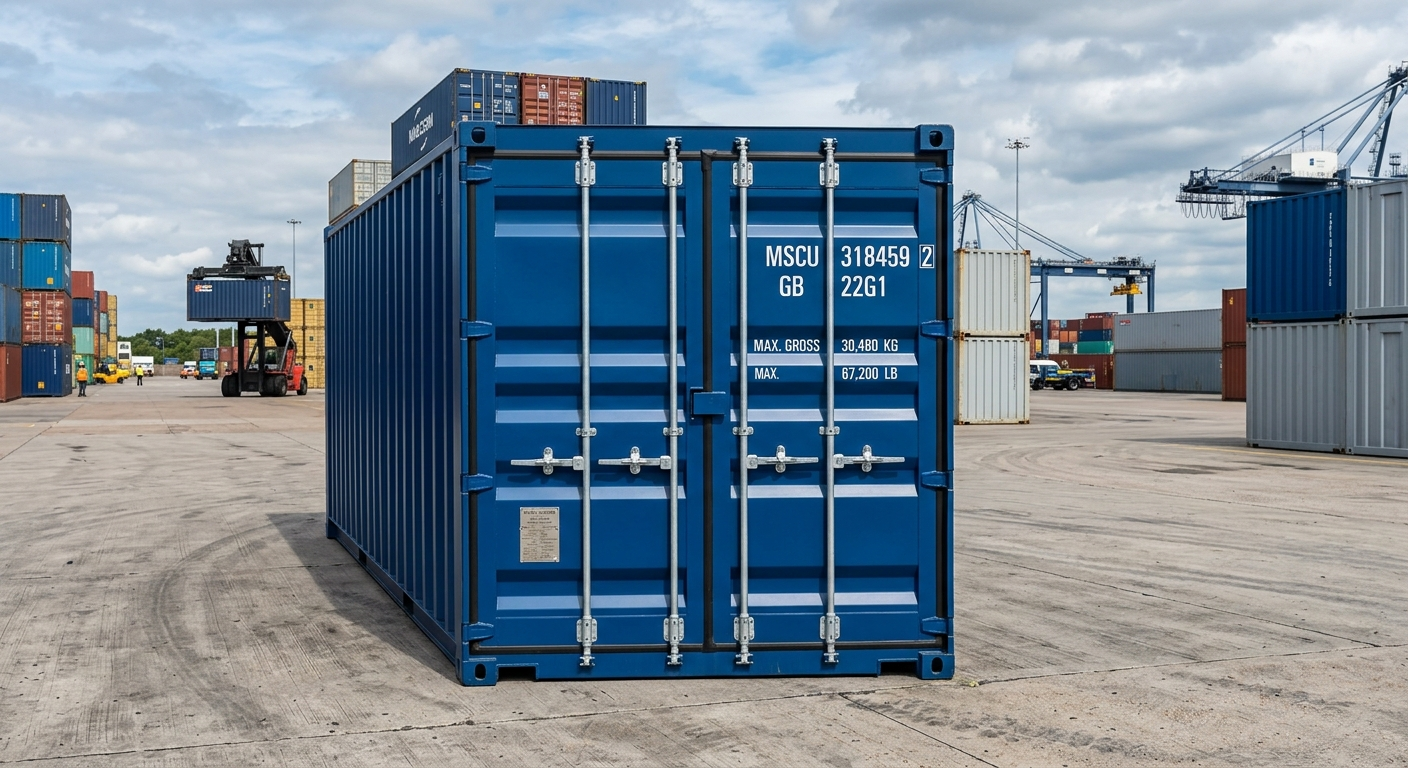
20 Foot Used Shipping Container for Sale
GET YOUR FREE QUOTE
* Indicates a required field
A 20 Foot Used Shipping Container for Sale can make sense when function matters more than external appearance. The key question is whether its structure, cargo doors, floor, roof, and repairs suit the job. Scratches and faded paint are common, but two units with the same condition label can perform differently.
Instead of relying on a description, compare the evidence behind it. Photographs, video, repair information, and written terms reveal more than wording such as “good used condition.”
What Does “Used” Mean When Comparing Containers?
A used Shipping Container has completed previous service, but age, repairs, and wear vary. Labels such as wind and watertight, cargo worthy, and as-is are starting points rather than universal promises. Ask the supplier to define the grade in writing and confirm whether photographs show the exact unit. Request documentation when certification or inspection status matters.
Why Should the Intended Job Come Before Appearance?
Define what the container must do each week. A unit holding landscaping tools faces different demands from one storing boxed inventory, furniture, records, or equipment. The contents determine how much ventilation, floor condition, odor, door frequency, water resistance, and cleanliness matter.
Write a simple assignment before comparing listings:
- Items being stored and their sensitivity to moisture or odors
- Loading method, including carrying, carts, or pallets
- Number of daily cargo-door openings
- Need for shelving, lighting, ventilation, or another access point
- Importance of appearance at the site
- Plans for painting or structural modifications
This keeps cosmetic wear in perspective. Faded paint may suit equipment storage, while damaged seals or an uncertain floor history may not suit clean packaged goods.
How Does a Three-Pass Inspection Work?
Review a used unit in three passes. Each pass answers a buying question and makes comparisons easier.
Pass One: Read the Overall Shape
Examine the roofline, sidewalls, corner posts, lower rails, and door frame. Look beyond surface marks for major bends, deep dents near structural edges, widespread corrosion, or an out-of-square frame. Request views of every side, the roof when safely available, and visible repairs.
Pass Two: Operate the Moving Parts
Ask for a video showing both cargo doors opening, closing, and locking. Watch the rods, handles, hinges, keepers, and gaskets. Stiff movement can relate to hardware, alignment, wear, or an uneven supporting surface. Confirm whether lubrication, adjustment, seal replacement, or further repair is expected.
Pass Three: Inspect the Interior
During daylight, close the doors and look for light through the roof or walls. Check the ceiling for staining and the floor for soft areas, deep gouges, repairs, odors, or unknown substances. Ask about previous cargo when available. For sensitive contents, discuss whether cleaning, treatment, or testing is appropriate.
Which Signs Need More Questions?
Faded paint, scratches, and small dents may be cosmetic. Ask more questions when corrosion includes metal loss, doors do not align, seals are damaged, the roof or corners are deformed, floors feel soft, or odors remain unexplained. The goal is to separate ordinary wear from issues affecting security, water resistance, cleanliness, or daily access.
What Evidence Should a Remote Buyer Request?
When in-person inspection is impossible, request dated images showing the identification number, exterior, roof, seals, interior, floor, and repairs. Pair close-ups with wider views so their location is clear. Stock images explain a type but cannot establish a specific used Shipping Container’s condition. Put important condition statements and included features in the written agreement.
How Do Planned Modifications Change the Buying Decision?
Plan cuts for roll-up doors, walk-in doors, windows, vents, or utilities before selecting a unit. Dents, patches, and corrosion may conflict with proposed openings. Share a basic sketch with the supplier or fabricator. Match the base unit to the finished project, because structural repairs can complicate a conversion.
How Can Xpress Shipping Containers Help Buyers Compare?
Xpress Shipping Containers connects buyers with independent suppliers across the United States. Buyers can browse profiles, contact sellers, or submit an enquiry describing the unit and intended use. Inventory, grading, inspections, warranties, modifications, service areas, and transaction terms are seller-determined. Mention the contents, access frequency, acceptable wear, evidence required, and planned changes so responses are easier to compare.
FAQs
Is faded paint a problem on a used shipping container?
Does “wind and watertight” mean the same thing from every seller?
Should I be concerned about an odor inside a used container?
Why can cargo doors become difficult to open?
Door resistance may result from dry hinges, worn seals, locking-rod issues, frame movement, or an uneven supporting surface. Request an operating video and ask the supplier what adjustment or repair, if any, is needed.