
Fast Delivery
Competitive Price
Sales Available Nationwide
Rentals Available in Arizona
Fast Delivery
Competitive Price
Sales Available Nationwide
Rentals Available in Arizona
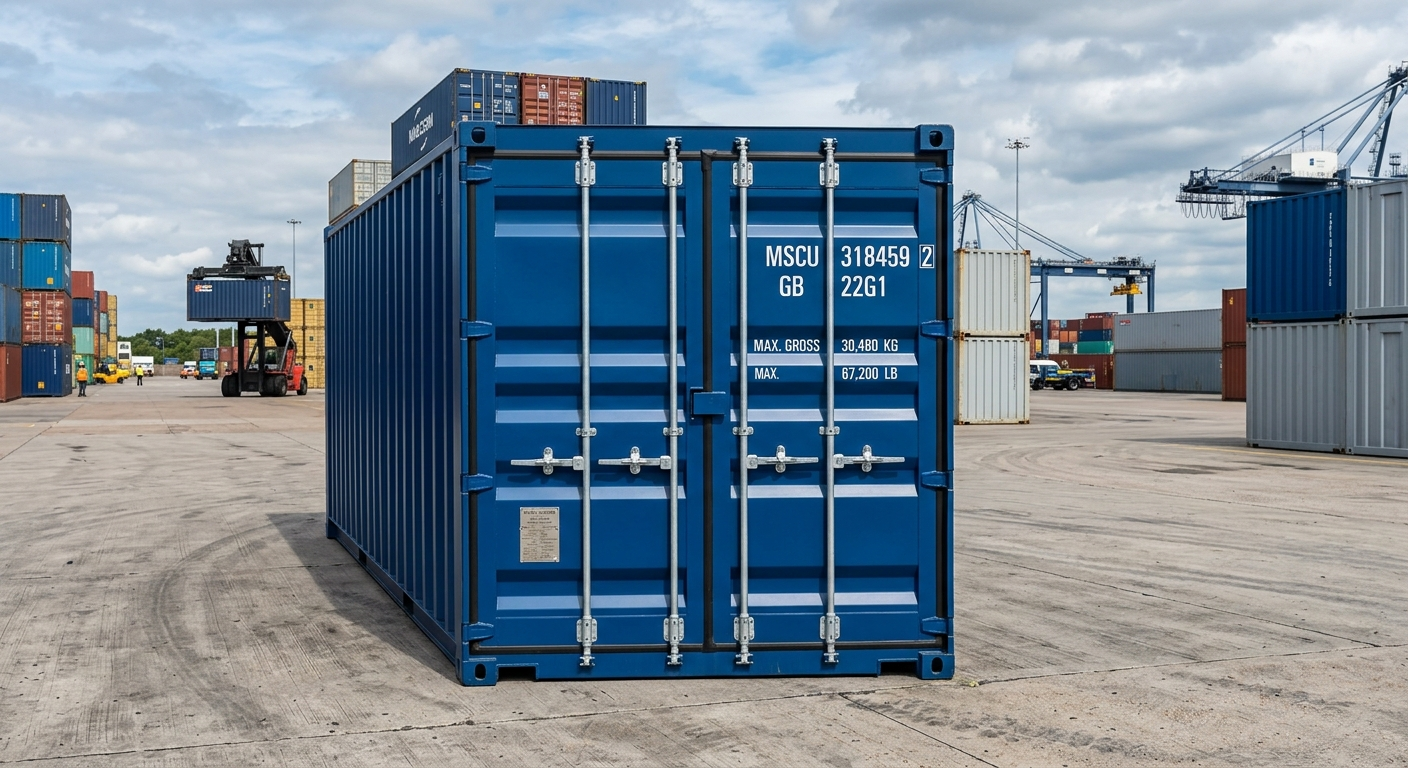
20 Foot Shipping Container for Sale in Southern California
GET YOUR FREE QUOTE
* Indicates a required field
Tools, inventory, records, and project materials can quickly take over indoor space. A 20 Foot Shipping Container gives Southern California properties a dedicated place to manage those items.
The choice depends on condition, access, interior movement, property constraints, and future use. Xpress Shipping Containers helps buyers discover suppliers and compare options for a specific project.
Tools, inventory, records, and project materials can quickly take over indoor space. A 20 Foot Shipping Container gives Southern California properties a dedicated place to manage those items.
The choice depends on condition, access, interior movement, property constraints, and future use. Xpress Shipping Containers helps buyers discover suppliers and compare options for a specific project.
Start With the Problem You Want to Remove
Before viewing listings, identify the current problem. Is stock occupying active floor space? Are people losing time searching? A useful container should remove recurring friction, not create clutter.
- Create a short inventory with three categories:
- Items needed daily or weekly
- Supplies used only during certain projects or seasons
- Equipment that requires clear floor space
This list shows whether you need open storage, shelving, partitions, lighting, or another entrance. A packed container holds more, but an organized one saves time.
One Region, Many Property Conditions
Southern California includes industrial corridors, suburban properties, job sites, and larger inland lots. A layout suitable for the Inland Empire may not fit Los Angeles, Orange County, or San Diego.
Mark the container footprint. Account for cargo door swing, buildings, fences, gates, utilities, drainage, parking, and emergency routes. Consider how items will move to the main work area.
Rules differ by jurisdiction, zoning, property type, and intended use. Basic storage and occupied conversions may face different requirements. Check with the responsible planning or building department before preparing the site.
Plan the Interior as Three Working Zones
Instead of filling the container from back to front, divide it into three access zones:
- Front zone: Keep frequently used tools, supplies, safety equipment, and outgoing orders near the entrance.
- Middle zone: Use shelves, bins, or racks for items needed regularly but not daily.
- Rear zone: Reserve this area for archives, seasonal stock, replacement parts, or later project materials.
Leave a clear aisle and keep heavy items low. Label shelf locations. Partitions can separate projects or material groups. For frequent entry, lighting and a walk-in door may improve the routine.
Match Container Condition to the Assignment
A one-trip container generally has less wear and a cleaner appearance. It may suit visible properties, organized merchandise, or interior finishing. A used Shipping Container can work well for tools, equipment, and general materials.
Condition labels vary. Ask what each grade means and whether photographs show the actual unit. Review cargo doors, gaskets, roofline, walls, corner posts, and flooring. Daylight, stains, or strong odors deserve questions.
The best choice is the unit whose structure, interior, appearance, and remaining service life fit the assignment.
Choose Access Around the Way Items Move
Standard cargo doors suit pallets, carts, equipment, and broad loads. They may be inconvenient when supplies near the middle are needed several times daily.
Possible access and organization features include:
- Walk-in doors for frequent entry
- Roll-up doors for access to one section
- Shelving for cartons, parts, and tools
- Partitions for teams or material groups
- Windows, ventilation, lighting, and outlets
- Lock boxes and upgraded locking hardware
Treat modifications as one layout. A new door can conflict with shelving, aisle width, exterior clearance, or electrical placement. Request updated measurements because built-in features reduce usable room.
Compare Suppliers With One Project Summary
Give every supplier one project summary covering use, condition, access, modifications, property constraints, and schedule. Include photographs or a simple sketch for limited spaces.
When reviewing responses, confirm:
- Whether the unit is one-trip, used, or modified
- Whether images represent the specific unit
- Which features and hardware are included
- What condition standards and warranty terms apply
- Whether the final layout matches the approved plan
Xpress Shipping Containers lets buyers browse listings, review business profiles, contact companies, or submit an enquiry. Buyers can gather options without treating every project as identical.
Make the Purchase Useful Beyond Day One
Storage needs change. Removable shelving, labeled zones, and open floor space help the container adapt. Keep the door area clear, clean the interior, inspect seals and locks, and update the inventory map when contents move.
A well-chosen 20 foot storage container should support the property, not complicate it. Define the problem, map the site, plan access, compare condition honestly, and request modifications that serve a real task. That process creates a better fit for Southern California storage and workspace needs. It also keeps the conversation focused on practical needs instead of generic feature lists.
Turn Unused Space into an Organized Southern California Work Zone.