
Fast Delivery
Competitive Price
Sales Available Nationwide
Rentals Available in Arizona
Fast Delivery
Competitive Price
Sales Available Nationwide
Rentals Available in Arizona
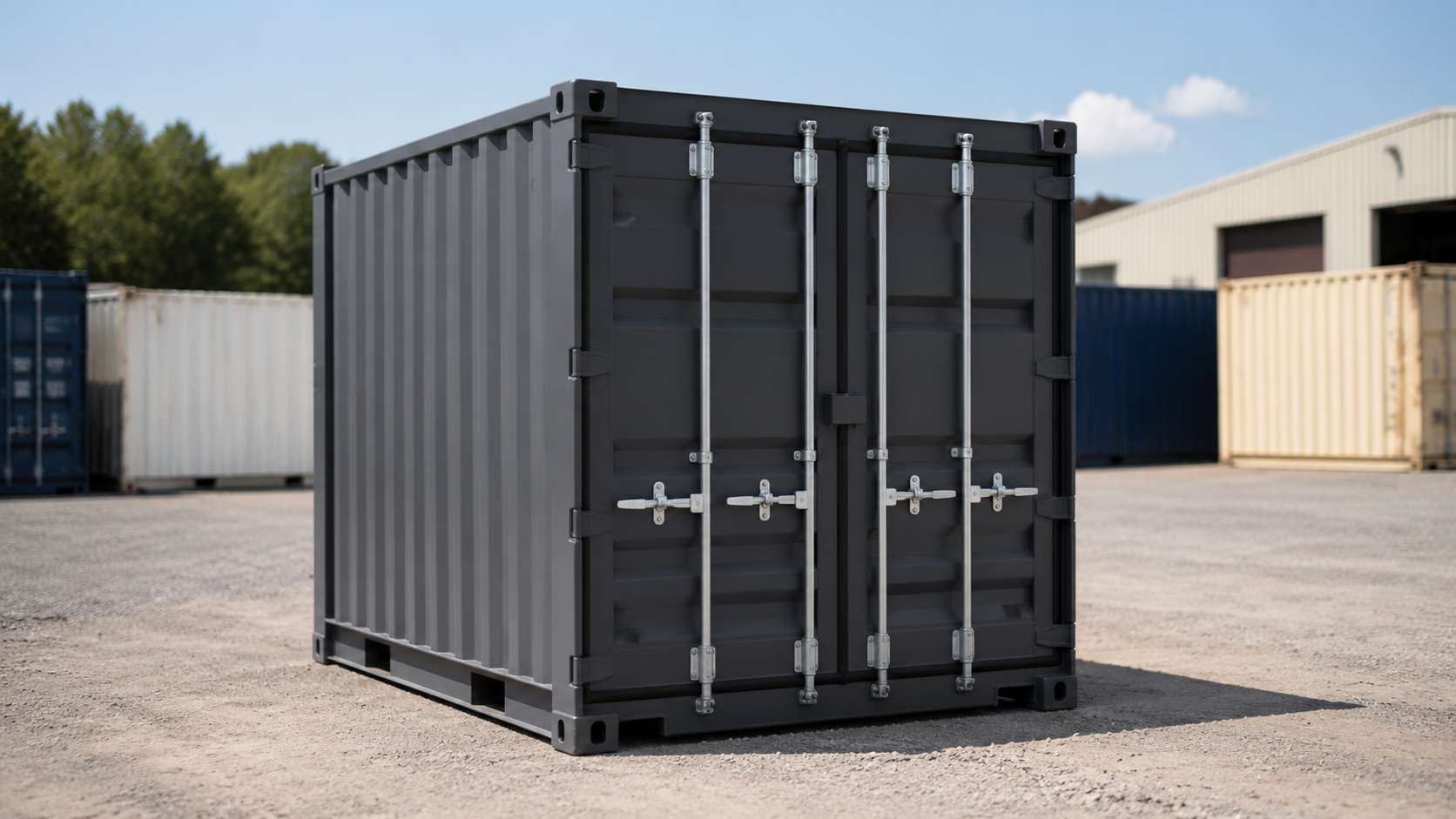
10 Foot Shipping Containers for Sale in San Francisco
GET YOUR FREE QUOTE
* Indicates a required field
10 Foot Shipping Containers for Sale in San Francisco can suit properties where every part of the site already has a job. Before reviewing listings, mark a full-scale outline where the unit may sit and rehearse how people, doors, tools, and surrounding activity would move around it. This test exposes conflicts that plans often hide.
What Is a Full-Scale Footprint Rehearsal?
A footprint rehearsal uses removable tape, chalk, or cones to represent the container and its operating area. Mark the cargo-door swing, walking path, nearby equipment, gates, utilities, drains, and spaces that must remain open. Walk through the outline during normal working hours. A clear morning location may become crowded when vehicles park, bins move, or another team starts. Record those changes instead of assuming the site stays empty each time.
How Should the Door Area Be Tested?
Mark the full operating space for the selected entrance. 10 Foot Cargo doors provide a broad opening but need outward swing room. A roll-up door opens vertically, while a walk-in door can serve regular foot access. Place a temporary marker for the largest item expected to pass through. Confirm a person can approach, open the door, handle the item, and leave without entering traffic or blocking another path. Repeat the test with two people when team lifting is normal for routine handling.
How Can Buyers Test the Interior Before Choosing Features?
Use boxes, floor tape, or cardboard templates to represent major contents. Place the largest equipment first, add shelves or cabinets at their planned depths, preserve an aisle, and mark removal space during regular daily use.
Run three retrieval tests:
- Collect a frequently used tool without moving other items
- Remove the largest stored object using the normal handling method
- Reach a rear inspection point while the container is fully organized
If a retrieval test fails, revise the plan before adding features. A shallower shelf or relocated cabinet may improve access more than another opening. Keep materials reachable without repeated unloading.
Which Modifications Should Earn Their Space?
Every modification changes the remaining interior. Shelving uses width, insulation reduces dimensions, electrical equipment requires wall space, windows affect storage, and partitions can restrict movement. Choose features that solve documented problems. Options may include lighting, ventilation, racks, cabinets, a lockbox, or a second entrance serving a defined zone. Coordinate all openings and mounted equipment with structural requirements and the final storage plan. The layout should preserve inspection access, door operation, maintenance, and movement around stored items.
How Should Condition Be Evaluated?
Condition should reflect the contents and intended setting. A used unit may show dents, scratches, fading, or earlier repairs while remaining appropriate for some storage tasks. A one-trip unit may be preferred when appearance, cleanliness, or extensive customization carries greater weight.
Ask about the roof, frame, walls, seams, floor, cargo doors, locking rods, seals, corrosion, repairs, residue, and odors. Review current photographs and written information for the individual unit. Grade names can differ among independent sellers, so specific observations are more useful than a category alone.
Which San Francisco Approvals May Apply?
Requirements can depend on the property, zoning, placement, duration, use, structural modifications, utilities, and occupancy. San Francisco’s Department of Building Inspection provides building, electrical, plumbing, and mechanical permit services. Discuss the specific address and project scope with the appropriate city departments before making permanent changes.
Placement in a public street or sidewalk area is a separate issue. San Francisco Public Works handles mobile storage container permits and temporary street occupancy processes. Confirm authorization, timing, and location rules before planning any use of the public right of way.
What Should Buyers Include in an Xpress Enquiry?
A clear enquiry should include:
- The San Francisco location and property type
- Proposed placement and route measurements
- Photographs showing current access conditions
- Intended contents and the largest item
- Expected access frequency and handling method
- Preferred condition, door type, and modifications
- Known permit or site limitations
Xpress Shipping Containers is a marketplace connecting buyers with independent suppliers. Individual sellers determine inventory, condition descriptions, warranties, modification services, service areas, and transaction terms. Confirm important details directly with responding sellers and keep agreed specifications in writing.
Frequently Asked Questions
Why perform a footprint rehearsal before selecting a container?
Are 10 foot Shipping Containers suitable for narrow properties?
What should I inspect when considering a used container?
Can a storage container be placed on a San Francisco street?
How does Xpress help buyers find San Francisco suppliers?
Custom Built
You can customize your container to fit your exact needs.
Fast Delivery
We work fast to customize your container and deliver it to your job site.
Shipping Containers
Sales available nationwide